iAWE: Powered by the EASE Framework 1.0
نظام iAWE: مدعوم بإطار EASE 1.0
iAWE is an AI-assisted academic writing evaluation system built strictly upon the EASE Framework 1.0 (Evidence-Anchored Scaffolding Evaluation). Integrated directly as a Google Sheets™ Add-on, it utilizes Retrieval-Augmented Generation (RAG) to secure computational trust, and Data-Driven Learning (DDL) principles to ensure AI serves as a pedagogical scaffold rather than a black-box oracle.
نظام iAWE هو أداة تقييم أكاديمي مدعوم بالذكاء الاصطناعي، ومبني بشكل صارم على إطار EASE 1.0 (تقييم السقالات الم ancor بالأدلة). مدمج كإضافة لجداول جوجل™، ويستخدم تقنية RAG لضمان الثقة الحسابية، ومبادئ DDL لضمان أن يكون الذكاء الاصطناعي بمثابة سقالة تربوية بدلاً من كونه حكماً مبهماً.
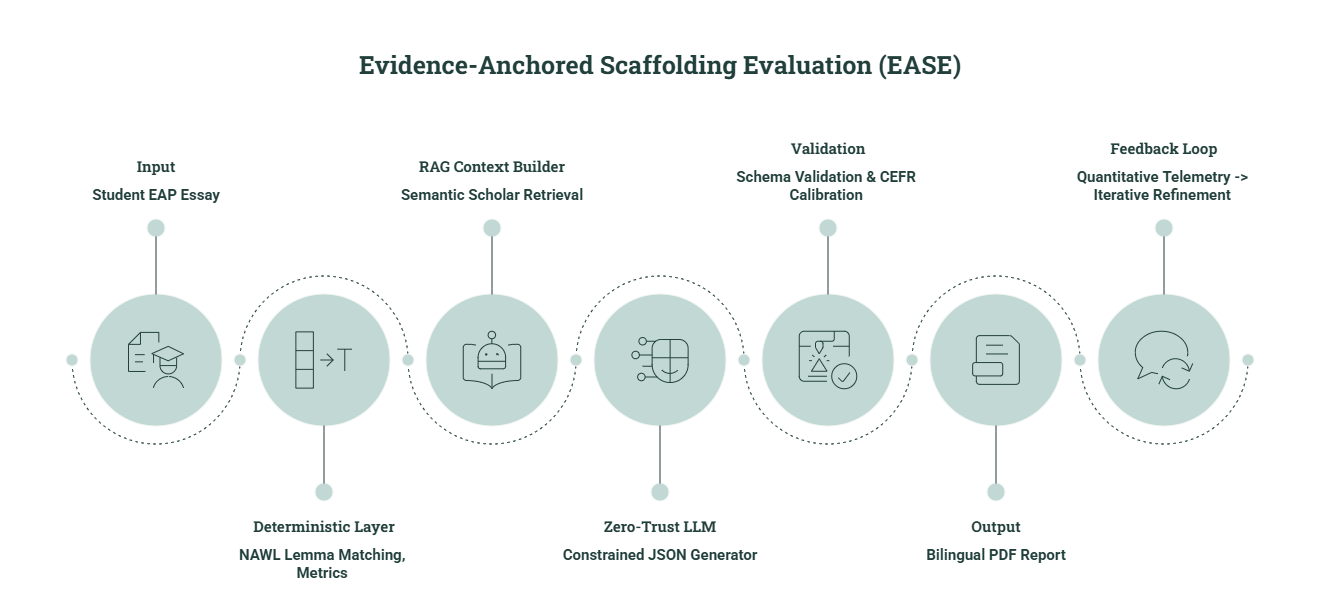
Figure 1: The EASE 1.0 System Architecture: Triangulating DBR, DDL, and RAG.
الشكل 1: بنية نظام EASE 1.0: التثلث بين البحث القائم على التصميم (DBR) والتعلم القائم على البيانات (DDL) وتوليد مستند للاسترجاع (RAG).
Research Transparency Notice
ملاحظة الشفافية البحثية
The EASE Framework and iAWE architecture are based on an evaluative study of 20 student essays (300 to 400 words) analysed by the system and benchmarked against expert human feedback.
يعتمد إطار EASE وبنية iAWE على دراسة تقييمية شملت 20 مقالة طلابية (300 إلى 400 كلمة)، حيث تمت مقارنة مخرجات النظام بتغذية راجعة بشرية متخصصة.
While analytical accuracy was closely aligned with human judgment, learners did not directly interact with the system during this evaluation phase. This constitutes a documented methodological limitation addressed in future Design-Based Research (DBR) iterations.
وعلى الرغم من تقارب نتائج النظام مع التقييم البشري، إلا أن الطلاب لم يتفاعلوا مباشرة مع النظام خلال مرحلة التقييم، وهو ما يُعد قيداً منهجياً سيتم معالجته في التكرارات المستقبلية للبحث القائم على التصميم (DBR).
Authored by: Dr. Waleed Mandour and Prof. Anwar Mourssi. Presented at the 4th MEC TESOL Conference, Muscat, Oman (Feb 2026).
إعداد: د. وليد مندور وأ.د. أنور مرسي. قدم في المؤتمر الرابع لجمعية TESOL بالكلية الحديثة، مسقط (فبراير 2026).
iAWE is a research-grade evaluative prototype designed for pedagogical experimentation and academic transparency, not a commercial replacement for human assessment.
يُعرض نظام iAWE كنموذج تقويمي لأغراض البحث العلمي والتجريب التربوي، وليس بديلاً تجارياً عن التقييم البشري.
Theoretical Foundations
الأسس النظرية
RAG: Computational Trust
تقنية RAG: الثقة الحسابية
By utilizing Retrieval-Augmented Generation, iAWE subverts the "black box" paradigm. The LLM is restricted to a "JSON generation engine" and is strictly fed empirical grounding (such as NAWL metrics and Semantic Scholar data). It cannot hallucinate linguistic rules, ensuring all feedback is epistemologically anchored.
من خلال استخدام تقنية RAG، يتجاوز النظام نموذج "الصندوق الأسود". يتم تقييد الذكاء الاصطناعي بوظيفة "توليد JSON"، ويُزود حصرياً ببيانات تجريبية (مثل مقاييس NAWL وبيانات Semantic Scholar)، مما يمنعه من اختلاق القواعد اللغوية ويضمن أن تكون جميع التغذية الراجعة موثوقة حسابياً.
DDL: Learner Agency
مبادئ DDL: فاعلية المتعلم
Rooted in Data-Driven Learning, iAWE forces the AI to output extractive evidence (such as specific NAWL lemmas found) before providing synthesized feedback. This transforms the student from a passive consumer of AI corrections into an active language detective, observing raw data to infer academic writing rules.
انطلاقاً من التعلم القائم على البيانات (DDL)، يجبر النظام الذكاء الاصطناعي على إخراج الأدلة المستخرجة (مثل جذور الكلمات الأكاديمية) قبل تقديم التغذية الراجعة. هذا يحول الطالب من متلقٍ سلبي لتصحيحات الذكاء الاصطناعي إلى محقق لغوي نشط يلاحظ البيانات الخام لاستنتاج قواعد الكتابة الأكاديمية.
DBR: Methodological Rigor
منهجية DBR: الصرامة المنهجية
Guided by Design-Based Research, iAWE natively logs quantitative telemetry with every interaction (JSON compliance, API latency, NAWL shifts). This provides continuous, high-resolution data allowing researchers to iteratively refine the system in authentic EAP classrooms over a semester.
بتوجيه من البحث القائم على التصميم (DBR)، يسجل النظام تلقائياً مقاييس كمية مع كل تفاعل (التزام JSON، ووقت استجابة API، وتغيرات كثافة الكلمات الأكاديمية). يوفر هذا بيانات عالية الدقة تسمح للباحثين بتحسين النظام بشكل تكراري في بيئات الكتابة الأكاديمية الحقيقية.
The EASE Evaluation Pipeline
مسار التقييم ضمن إطار EASE
Deterministic & RAG Layers
الطبقات الحتمية وتقنية RAG
Before the AI reads the text, the system calculates objective metrics (NAWL lemma density, Type-Token Ratio) and retrieves scholarly context via Semantic Scholar. The AI is forced to use this pre-computed data.
قبل أن يقرأ الذكاء الاصطناعي النص، يحسب النظام مقاييس موضوعية (كثافة الجذور الأكاديمية، نسبة التنوع المعجمي) ويسترجع السياق العلمي عبر Semantic Scholar. يُجبر الذكاء الاصطناعي على استخدام هذه البيانات المحسوبة مسبقاً.
Zero-Trust LLM Processing
معالجة الذكاء الاصطناعي "بدون ثقة"
Gemini™ 3.5 is restricted to a strict JSON schema. It cannot act as an authoritative judge. It merely maps the pre-gathered evidence against the EAP Knowledge Base, outputting structured scores without generating unverified pedagogical claims.
يتم تقييد Gemini™ 3.5 بمخطط JSON صارم. لا يمكنه العمل كحكم مطلق، بل يقوم فقط بمطابقة الأدلة المجمعة مسبقاً مع قاعدة المعرفة الأكاديمية، ومخرجات الدرجات الهيكلية دون توليد ادعاءات تربوية غير موثقة.
DDL Output & DBR Loop
مخرجات DDL وحلقة DBR
The student receives a bilingual report showing raw data first, then the AI synthesis. Quantitative telemetry is logged for researchers to analyze longitudinal writing improvements over time via the Class Analytics Dashboard.
يتلقى الطالب تقريراً ثنائي اللغة يعرض البيانات الخام أولاً، ثم تحليل الذكاء الاصطناعي. يتم تسجيل المقاييس الكمية للباحثين لتحليل التحسينات في الكتابة على المدى الطويل عبر لوحة تحليلات الفصل.
The Add-on Interface
واجهة الإضافة


Watch the Demo
شاهد العرض التوضيحي
System Features
ميزات النظام
Customizable Rubrics
معايير تقييم قابلة للتخصيص
Empowering teacher agency. Enable or disable any of the 13 analytical dimensions to align the AI strictly with your specific syllabus objectives.
تعزيز استقلالية المعلم. تفعيل أو تعطيل أي من الأبعاد التحليلية الثلاثة عشر لمطابقة النظام بدقة مع أهداف مناهجك الدراسية.
Class Analytics Dashboard
لوحة تحليلات الفصل
Transform row-by-row grading into formative curriculum planning. Instantly generate visual charts showing class performance and variance across EAP dimensions.
تحويل التقييم الفردي إلى تخطيط منهجي. إنشاء رسوم بيانية فورية توضح أداء الفصل والتباين عبر أبعاد الكتابة الأكاديمية.
Multi-Format Exporting
تصدير متعدد الصيغ
Generate beautifully formatted, bilingual PDF transcripts for final records, or create editable Google Docs™ to seamlessly add your own teacher comments.
إصدار تقارير ثنائية اللغة بصيغة PDF، أو إنشاء مستندات جوجل™ قابلة للتعديل لإضافة تعليقاتك وملاحظاتك كمعلم.
Install iAWE for Google Sheets™
تثبيت نظام iAWE لجداول جوجل™
iAWE is now publicly available on the Google Workspace™ Marketplace. Install it directly to start evaluating academic writing, or contact the team for institutional demonstrations and research collaborations.
أصبح نظام iAWE متاحاً الآن للجميع على متجر Google Workspace™. قم بتثبيته مباشرة لبدء تقييم الكتابة الأكاديمية، أو تواصل مع الفريق للعروض المؤسسية والتعاون البحثي.
Install from Google Workspace تثبيت من متجر جوجلLive Statistics
الإحصاءات المباشرة
iAWE is a Google Sheets™ Add-on · Install from Google Workspace Marketplace نظام iAWE إضافة لجداول جوجل™ · ثبّتها من متجر Google Workspace
Visitor counter is per-browser · geolocation detected via ipapi.co عدّاد الزوار لكل متصفح · يُحدَّد الموقع عبر ipapi.co